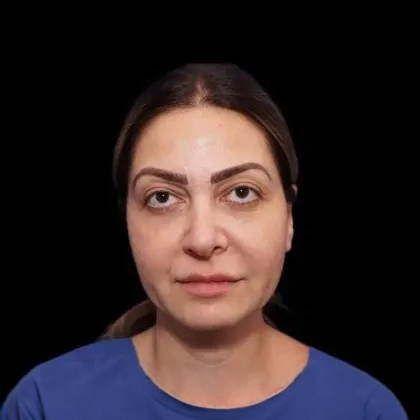

When you’re in your teens and twenties, the idea of having jowls, sagging neck skin, or deep laugh lines seems far off and foreign. That’ll never happen to you!
Until it does.
Unfortunately, time marches on, and before you know it, you’re looking in the mirror, not recognizing the reflection looking back at you.
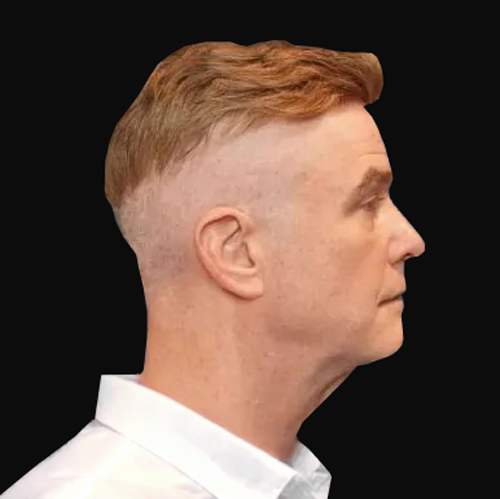
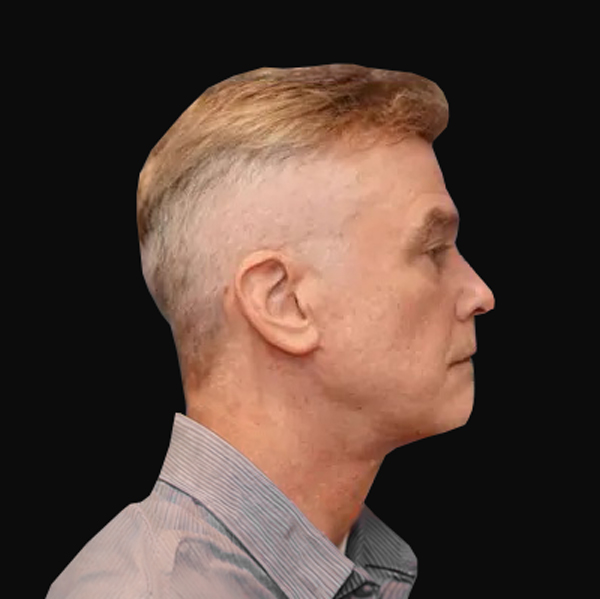
For many people, some of the first major signs of aging occur on the lower third of the face. Suddenly, you’re noticing things like sagging crepey skin on your neck, bags of skin along your jawline (jowls), and deep creases that run from the corners of your mouth to your nostrils (nasolabial folds).
The bad news is, there’s not a cream, serum, or at-home treatment that can improve these features. On the other hand, there is a cosmetic surgery that can help — specifically, a procedure called a lower face lift (sometimes referred to as a lower face and neck lift).
Contents
What is a lower Face Lift?
A face lift (rhytidectomy) aims to improve signs of aging on the face by smoothing, tightening, and facilitating a fresher, more youthful appearance. There are three main types of face lifts:
- Upper face lifts are performed on everything above the eye line. These face lifts basically focus on the forehead and brow area.
- Mid-facelifts are performed on the mid-face — everything above the corners of the mouth and below the corners of the eyes.
- Lower face lifts are performed on everything below the corners of the mouth. There is also a related lower face and neck lift procedure, which includes the neck.
According to the American Society of Plastic Surgeons (ASPS), lower face lifts specifically target the lower third of the face and are among the most requested facial rejuvenation procedures. It addresses jowling, nasolabial folds, marionette lines, and neck laxity that develop with age and gravity.
In this article, we are focusing on lower face lifts and what benefits they offer. Lower face lifts primarily target signs of aging on the lower third of the face. This includes things like laugh lines, jowls, and sagging skin on the chin and neck.
What are the benefits of a lower Face Lift (lower face and Neck Lift)?
As stated above, the goal of a lower face and neck lift is to reduce the appearance of lines, wrinkles, sagging skin, weak facial muscles, and other signs of aging on the lower face and neck. But will everyone’s lower face lift look the same?
Not at all.
In fact, unlike other common cosmetic surgeries, face lifts require a unique approach every time. Dr. Lahar will need to examine your face and neck closely to know for sure what techniques to use.
For this reason, it’s difficult to say what exactly the benefits of your unique procedure will be. Still, we can provide a general overview.
A prospective multicenter study published in PubMed evaluated patient satisfaction after face and neck lift surgery using the validated FACE-Q questionnaire. It found statistically significant improvements across all outcome scales at 3 months post-surgery. These improvements were maintained permanently at 6 and 12 months. The study represents the first prospective evidence that appearance and quality of life outcomes can be reliably assessed and documented after rhytidectomy.
The FACE-Q data align with what we observe in our own practice. Patients consistently tell us at their follow-up appointments that the improvement in their appearance has exceeded their expectations. The emotional lift is just as real as the physical one.
– Dr. Lahar
Depending on what particular challenges you are facing, a lower face lift may help to improve or correct:
Deep nasolabial folds
Often called laugh lines or smile lines, nasolabial folds are creases that form from the bottom of your nose to the outer corners of your mouth. They are most prominent when you grin or laugh.
Jowls
If you have bumpy and/or sagging skin along the sides of your jaw line, you may have jowls. This facial feature can generally be described as loose skin that begins to “collect” at the bottom of the face along the jaw. The facial ligaments have weakened, and the skin has lost its elasticity.
A double chin
Double chins are a common issue for many men and women. If someone has a “double chin,” they have the appearance of “another chin” behind their actual chin. In reality, this is generally just another layer of fat that hangs lower than the chin itself.
For some individuals, losing overall body fat can improve or eliminate a double chin. For others, the issue is more structural, and no amount of weight loss will change the appearance of a double chin. Fortunately, cosmetic surgery can almost always help.
Sagging facial skin
General sagging of the skin is common as we age. Women and men in their 40s, 50s, 60s, and beyond will notice that sagging skin tends to be worse on the bottom portion of the face simply because of gravity.
Other deep wrinkles
Deep wrinkles can form on the face and neck due to gravity and overall aging, repeated sun exposure over time, and making the same facial expressions over and over. A face lift can help to tighten things up and loosen up those deep creases for a smoother overall appearance.
A “turkey neck.”
Having a “turkey neck” simply means having loose, weakened muscles beneath the chin. The skin and muscles here can lose their elasticity rapidly in some individuals. The result is often skin that is extremely thin, “crepey”, and droopy.
Neck banding
Over time, the muscles in the neck can become more apparent because the skin on top becomes loose and sagging. The muscles themselves (called the platysmal muscles) can also become weak. When this happens, it’s called having neck banding.
A systematic review of rhytidectomy techniques published in PMC/PubMed confirms that modern facelift approaches demonstrate significant improvements in facial aesthetic outcomes and patient quality of life. Neck contouring and platysmal correction are among the most impactful aspects of the lower face and neck lift procedure.
Downturned corners of the mouth
Gravity is not kind to humans as we age, and unfortunately, even the mouth can begin to sag with time. The lips and the skin around them become soft and start to sag. In turn, this can cause what looks like a perpetual frown on some people.
Who is a good candidate for a lower Face Lift?
The best candidates for lower face lifts are in good overall physical health. Dr. Lahar will want to perform a full facial analysis and hear about your medical history as well. You should not have any serious medical conditions or illnesses that may preclude you from elective surgery.
Patients should also be non-smokers. If you do smoke, you’ll need to discuss quitting for at least several weeks leading up to your surgery and several weeks after your surgery (during recovery).
Finally, while lower face lifts can be amazingly transformative for many patients, it’s important to be realistic and to have a level head when it comes to your surgery.
Considering a lower Face Lift? Contact Dr. Lahar today
If you are unhappy with the way the lower portion of your face looks due to aging, sun exposure, significant weight loss, or all of the above, a lower face lift may be the best solution for you. This procedure is one of the most commonly performed among facial surgeries.
To learn more about lower face lifts and find out if you are a good candidate for the procedure, contact Lahar Plastic Surgery in Beverly Hills today. We look forward to hearing from you!
References
- American Society of Plastic Surgeons (ASPS). Comparing Upper, Mid, and Lower Facelifts.
- Tonnard P, et al. Assessing Improvement of Patient Satisfaction Following Facelift Surgery Using the FACE-Q Scales: A Prospective and Multicenter Study. PubMed. 2019.
- Alizadeh K, et al. A Systematic Review and Comparative Analysis of Reconstructive Rhytidectomy: Advantages, Disadvantages, and Patient Outcomes. PMC/PubMed. 2024.
- Sclafani AP, et al. Rhytidectomy: A RealSelf Social Media Analysis. PubMed. 2020.