
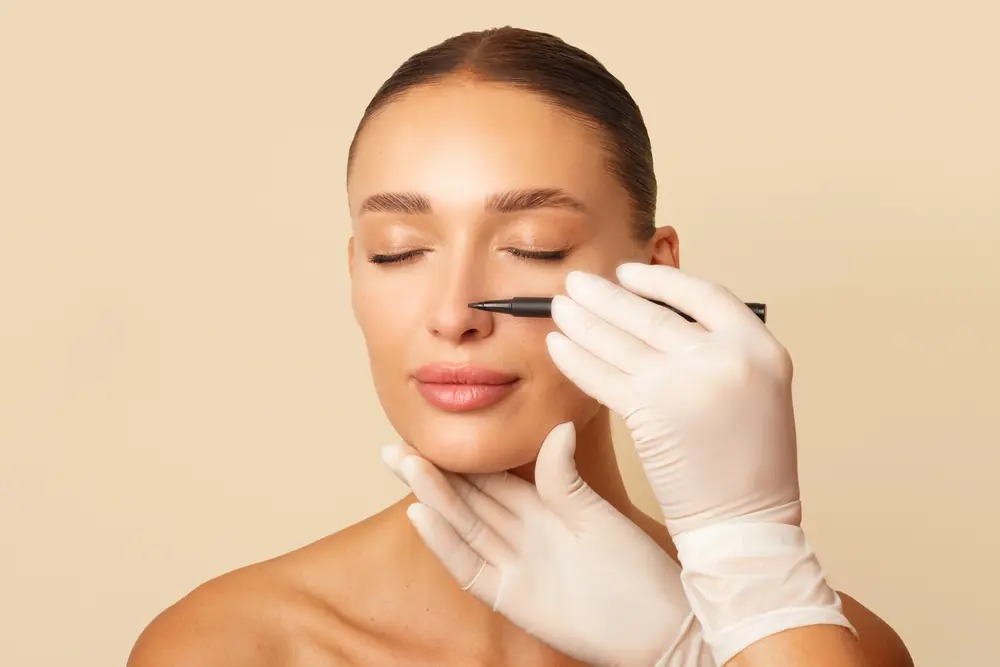
Breathing difficulties, chronic congestion, or nasal trauma can affect more than just appearance. Many people wonder if insurance can cover rhinoplasty, especially when the surgery restores nasal function.
Understanding when health insurance covers rhinoplasty versus when it is considered cosmetic helps patients make informed decisions. While some nose surgeries address cosmetic goals, others improve breathing or correct structural issues, which may qualify for coverage.
Knowing these distinctions is key before scheduling your consultation.
Contents
- 1 Understanding the purpose of Rhinoplasty
- 2 Cosmetic vs. functional Rhinoplasty
- 3 Functional Rhinoplasty and medical necessity
- 4 When Rhinoplasty is considered cosmetic
- 5 Combined functional and cosmetic Rhinoplasty
- 6 Documentation insurance companies often require
- 7 Deviated septum and Septoplasty
- 8 Nasal trauma and reconstructive Rhinoplasty
- 9 Nasal valve collapse and insurance consideration
- 10 What insurance will not cover
- 11 Consultation and pre-surgical evaluation
- 12 Take the next step with Lahar plastic surgery
Understanding the purpose of Rhinoplasty
Rhinoplasty reshapes or reconstructs the nose to improve both function and appearance. It can correct:
- Deviated septum
- Narrow nasal passages
- Structural irregularities that limit airflow
It can also refine the nasal bridge, tip, or nostrils for cosmetic harmony.
Cosmetic vs. functional Rhinoplasty
- Cosmetic rhinoplasty enhances appearance.
- Functional rhinoplasty restores or improves breathing.
- Some procedures combine both goals for a balanced result.
Insurance typically only covers functional aspects, not aesthetic changes, making it crucial to understand this difference early on.
Functional Rhinoplasty and medical necessity
When rhinoplasty corrects breathing problems or nasal deformities, it may be considered medically necessary. Examples include:
- Repairing a deviated septum
- Correcting nasal valve collapse
- Reconstructing nasal passages after trauma
A deviated septum, for instance, can cause chronic congestion, snoring, or sinus pressure. Straightening it restores airflow and comfort.
Insurance companies differentiate these cases from cosmetic ones because the goal is functional restoration.
To qualify, medical necessity must be documented, typically through:
- Nasal obstruction tests
- CT scans or endoscopy
- Physician reports showing health impact
When Rhinoplasty is considered cosmetic
If your procedure aims to improve symmetry, refine shape, or alter proportions without addressing breathing, it’s cosmetic.
Cosmetic rhinoplasty focuses solely on appearance and is generally not covered by insurance.
For example:
- Reducing nose size for facial balance
- Narrowing the bridge or refining the tip
While the outcome can enhance confidence, insurers classify these as elective procedures.
Sometimes, surgeries combine both cosmetic and functional goals. In such cases, insurance may cover part of the procedure while the rest is paid out-of-pocket.
Combined functional and cosmetic Rhinoplasty
Many patients benefit from a dual approach — addressing both structure and aesthetics.
Example:
A patient needs septum repair for breathing but also wants to refine the nasal tip.
- Insurance may be billed for the functional repair.
- The patient pays for aesthetic refinement.
Because this process can be complex, detailed documentation and communication with your provider are essential.
Documentation insurance companies often require
Before approving rhinoplasty, insurance providers usually request:
- Physician reports showing obstruction or difficulty breathing
- CT scans or nasal endoscopy images confirming structural issues
- Records of failed treatments, like sprays or medications
- Sleep studies, especially when snoring or sleep apnea are involved
Providing thorough evidence ensures a smoother approval process.
Deviated septum and Septoplasty
A deviated septum is one of the most common reasons for insurance-covered nasal surgery.
What it is
The septum divides nasal passages; when it bends to one side, airflow becomes uneven, causing congestion and sinus infections.
Surgical solution
Septoplasty corrects the septum. When combined with rhinoplasty for aesthetic balance, it becomes septorhinoplasty.
- Insurance usually covers the septoplasty portion.
- Cosmetic refinements are considered optional and paid separately.
This dual procedure allows one recovery period while improving both function and appearance.
Nasal trauma and reconstructive Rhinoplasty
Accidents or sports injuries can damage nasal bones or cartilage. When trauma leads to structural deformities and breathing difficulty, insurance may classify repair as medically necessary.
Reconstructive rhinoplasty:
- Realigns displaced bones
- Repairs internal passages
- Restores the nose’s pre-injury shape
Documenting the injury through medical records or imaging helps justify coverage. Consulting early after trauma also improves approval chances.
Nasal valve collapse and insurance consideration
Nasal valve collapse happens when internal or external nasal valves weaken, restricting airflow. Symptoms may include:
- Difficulty breathing
- Snoring
- Fatigue
Since this condition affects function, surgical correction often qualifies for coverage.
However, cosmetic refinements performed at the same time are not covered.
Dr. Lahar performs comprehensive nasal assessments to pinpoint causes and confirm eligibility for insurance-based procedures.
What insurance will not cover
Insurance does not cover purely cosmetic rhinoplasty, such as:
- Refining the nasal tip
- Narrowing nostrils
- Reshaping for visual proportion only
Patients pursuing aesthetic goals should plan for self-payment. Many clinics provide financing options to make cosmetic surgery more accessible.
The Surgeon’s Role in Insurance Approval
Choosing an experienced plastic surgeon is essential for accurate diagnosis and documentation.
Dr. Nicholas Lahar, known for rhinoplasty in Beverly Hills, evaluates:
- Nasal structure
- Airway function
- Aesthetic goals
His expertise ensures patients get proper coverage where applicable and safe combination procedures when desired.
The result: natural-looking noses that breathe comfortably.
Consultation and pre-surgical evaluation
Your consultation determines whether your rhinoplasty qualifies for insurance. Expect:
- Nasal examination and airflow tests
- Review of medical history
- Discussion of both functional and cosmetic goals
Combining procedures saves time and recovery since both can be performed under one anesthesia session.
Patients interested in enhancing facial balance may also explore chin liposuction or chin implants for improved harmony.
Take the next step with Lahar plastic surgery
At Lahar Plastic Surgery, rhinoplasty is about more than appearance — it’s about comfort, balance, and confidence.
Dr. Lahar’s precision-driven approach helps patients restore nasal function while achieving refined, natural-looking results.
If you’re wondering whether your rhinoplasty may be covered by insurance, or want to combine functional and cosmetic goals, schedule your consultation at our Beverly Hills office today.