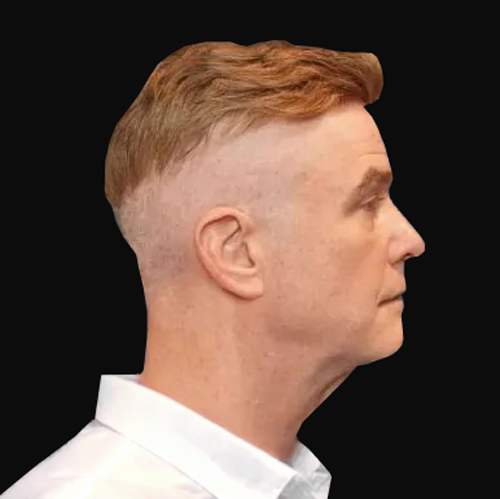
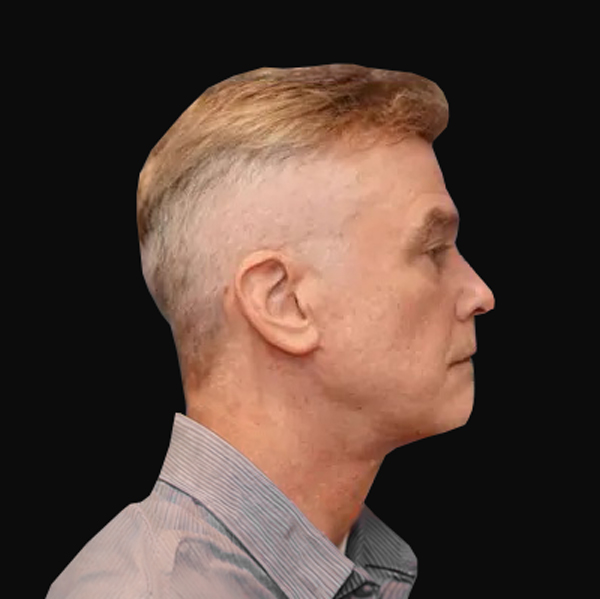
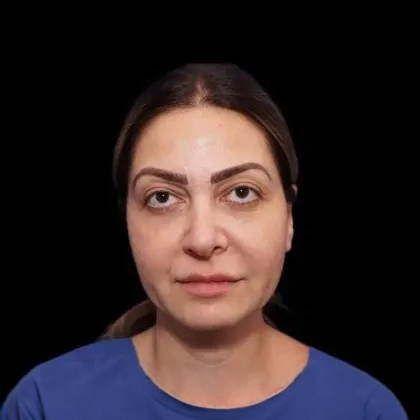

Do you ever feel like the tip of your nose looks too round, wide, or puffy—almost like it doesn’t match the rest of your face? If so, you’re not alone. A bulbous nasal tip is one of the most common reasons patients seek rhinoplasty. It can draw attention away from your eyes and smile, and make you feel self-conscious, especially in photos.
The good news? Modern rhinoplasty techniques can carefully refine the nasal tip, giving it more shape and definition while still looking entirely natural. At Lahar Plastic Surgery, we see countless patients each year who want to address exactly this concern. Here’s what you should know if you’re considering surgery to refine a bulbous tip.
Contents
- 1 What exactly is a bulbous tip?
- 2 How can Rhinoplasty refine a bulbous tip?
- 3 Does skin thickness affect tip refinement?
- 4 Why do patients want to fix a bulbous tip?
- 5 Will it still look like me?
- 6 Recovery and results: what to expect
- 7 Choosing the right surgeon
- 8 Ready to refine your nose tip?
- 9 References
What exactly is a bulbous tip?
A bulbous tip is simply a nasal tip that appears rounded, wide, or disproportionately large compared to the rest of the nose. From the front, it may look boxy or overly broad, and on profile, it may look heavy or droopy.
This shape is often caused by:
- Wide or separated lower lateral cartilages, which form the structure of the nasal tip
- Thicker skin and soft tissue, which can blur thedefinition and hide the underlying shape
- Lack of tip support, which lets the tip spread outward
- Genetics and ethnicity—many people inherit a rounder or fuller tip shape that runs in their family
A prospective outcomes study published in PubMed found that structured nasal tip refinement significantly improved both functional and cosmetic outcomes for patients. All participants reported improved cosmesis and measurable gains in nasal airflow following the procedure.
While a bulbous tip is a completely normal anatomical variation, many people want a nose tip that is slightly narrower, more sculpted, and better balanced with their other facial features.
How can Rhinoplasty refine a bulbous tip?
Tip refinement rhinoplasty is a surgical technique that specifically focuses on reshaping the lower third of the nose. Unlike traditional rhinoplasty that might adjust a dorsal hump (the bridge), tip refinement targets the cartilage and soft tissue that make up the nasal tip.
Depending on your anatomy and goals, Dr. Lahar may use techniques such as:
- Reshaping or suturing the lower lateral cartilages to bring them closer together and create a more slender contour.
- Trimming or reorienting cartilage to reduce excess width and roundness.
- Adding subtle cartilage grafts to support or sharpen the tip (especially important if thick skin is present).
- Adjusting tip rotation, slightly lifting or repositioning the tip to achieve a more youthful angle.
The goal is to create a more defined, refined tip that still fits harmoniously with the rest of your nose and face.
According to a StatPearls clinical reference published on NCBI, transdomal suture techniques and lateral crural modification are among the most well-established methods for addressing a broad or bulbous nasal tip. It offers durable cartilage reshaping with a low risk profile when performed by an experienced rhinoplasty surgeon.
Tip work is the most nuanced part of rhinoplasty. The cartilage mechanics are intricate, and the margin for error is narrow. In our practice, we spend significant time during consultation mapping out each patient’s specific anatomy before deciding which combination of suture techniques and grafting is needed.
– Dr. Lahar
Does skin thickness affect tip refinement?
Yes—skin thickness is one of the most important factors in how much definition can be achieved with tip rhinoplasty. If you have thick skin, it tends to drape over the refined cartilage like a blanket, which can slightly soften sharp edges.
But don’t worry—this doesn’t mean you can’t have a beautiful result. It simply means the surgical plan needs to be customized for your anatomy. Often, we’ll use techniques to add subtle structure and projection under thicker skin so that your new nasal tip still looks more sculpted.
A clinical review published in PMC/PubMed confirmed that addressing the soft tissue envelope is an important part of bulbous tip correction in patients with thicker skin. When the approach is tailored appropriately, high levels of patient satisfaction are achievable.
Thick skin is one of the first things we assess in a rhinoplasty consultation. It changes our strategy meaningfully, as we tend to build more structural support. This is so the tip still reads as refined, even with a heavier soft-tissue layer on top. The results can be just as impressive, they just require more planning.
– Dr. Lahar
Why do patients want to fix a bulbous tip?
Everyone’s motivations are personal, but some of the most common reasons patients come to us include:
- Feeling like the tip of their nose is too big or distracts from their eyes and smile
- Wishing their nose looked slimmer or more feminine
- Hoping to achieve a smoother flow from the bridge to the tip without a bulbous “ball” at the end
- Wanting to look more balanced in selfies and photos, where a bulbous tip often stands out
Many patients tell us that even small, precise changes to the tip have made a huge difference in how they feel about their overall appearance. A patient-reported outcomes study published in PMC/PubMed found that a preoperative bulbous or boxy nasal tip was associated with lower baseline satisfaction scores. It highlights how much this feature weighs on patients. Addressing it surgically produced meaningful improvements in how patients rated their outcomes at six months post-procedure.
Will it still look like me?
This is one of the most important concerns patients have—and rightly so. At Lahar Plastic Surgery, we believe in natural rhinoplasty. The goal of tip refinement isn’t to give you a nose that looks out of place on your face or like it belongs to someone else. It’s to create a more refined, proportionate version of your nose—so you still look like yourself, just with a subtle enhancement that brings out your best features.
Recovery and results: what to expect
Recovery after tip rhinoplasty is typically easier than after full nasal reconstruction. You can expect:
- Mild to moderate swelling, especially in the first few weeks. Tip swelling can take longer to fully settle (sometimes up to 12 months for the final contour).
- Minimal bruising if only the tip work is performed.
- A splint on the nose for about a week to protect the new shape.
Most patients feel comfortable going back to work or social activities within 7–10 days, and love seeing their new shape start to emerge as swelling subsides.
The American Society of Plastic Surgeons (ASPS) notes that rhinoplasty results continue to develop over many months as residual swelling resolves. The final outcome is best appreciated at the one-year mark following surgery.
Choosing the right surgeon
Refining a bulbous tip takes careful planning and artistry. Unlike the bridge, where millimeters are reduced or smoothed, the tip involves delicate cartilage work to achieve both support and contour. This is why it’s critical to choose a surgeon who:
- Specializes in rhinoplasty, not just general cosmetic surgery
- Has extensive experience with different skin types and tip shapes
- Can show you before-and-after photos of patients with similar concerns
- Understands how to keep results natural and balanced
Ready to refine your nose tip?
If a bulbous or poorly defined tip is something you’ve always noticed about your nose, you don’t have to keep wondering what it would be like to change it. A tailored tip refinement rhinoplasty at Lahar Plastic Surgery can help you achieve a nose that looks more sculpted and in harmony with your face—without losing what makes you you.
Schedule your consultation today at Lahar Plastic Surgery to explore your options for tip refinement rhinoplasty in Beverly Hills. We’ll create a personalized plan to give you natural, elegant results that truly fit your unique features.
References
- American Society of Plastic Surgeons (ASPS). Rhinoplasty.
- Palhazi P, et al. Functional Outcomes of Structured Nasal Tip Refinement. PubMed. 2010.
- Landau MJ, et al. Rhinoplasty Tip-Shaping Surgery. StatPearls/NCBI Bookshelf. 2023.
- Omranifard M, et al. Evaluation of Clinical Outcomes and Satisfaction of Rhinoplasty with or without Smasectomy in Patients with Thick Nasal Skin. PMC/PubMed. 2022.
- Paternoster K, et al. Determinants of Patient-Reported Satisfaction with Treatment Outcome 6 Months After Rhinoplasty. PMC/PubMed. 2025.