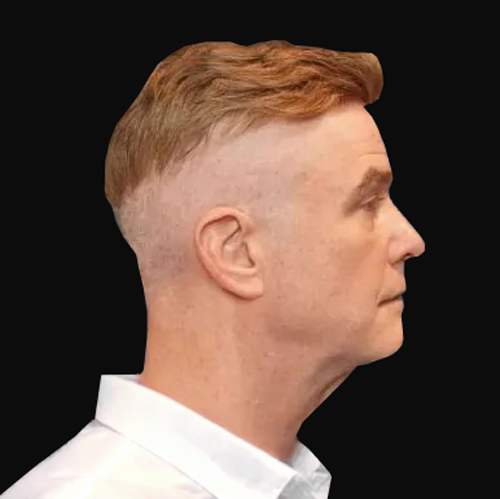
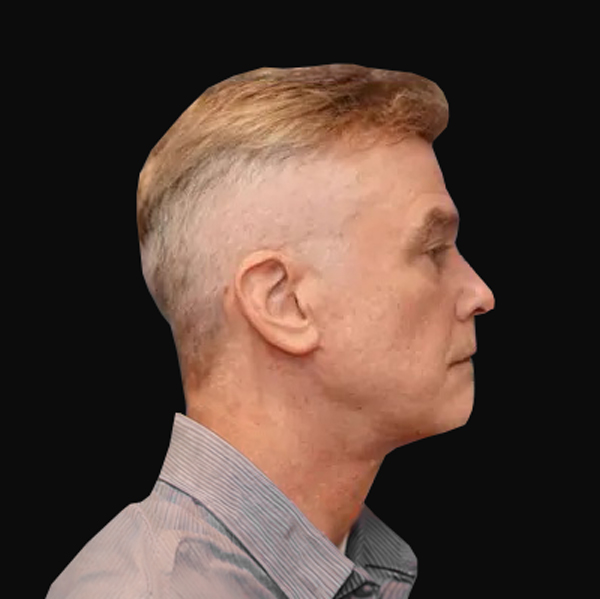
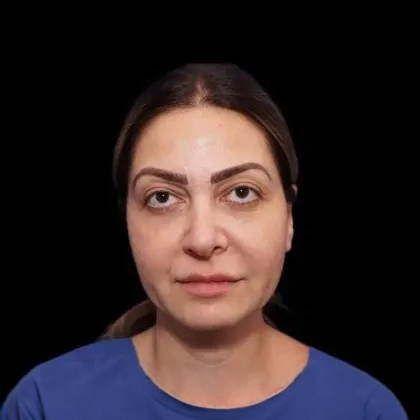

Depending on your preferences, a wide nose is something you may want to change about yourself. While some individuals appreciate the way a wide nose looks with their other facial features, others prefer a thinner nose shape. When this is the case, a wide-nose rhinoplasty is an option.
A retrospective review published in the Aesthetic Surgery Journal examined 369 consecutive cosmetic rhinoplasty procedures. Surgeons identified successful anatomical correction of the nasal deformity in 87% of patients. The overall satisfaction rate also remained high across concerns such as nasal width, bridge contour, and tip refinement.
Contents
What is wide nose Rhinoplasty?
Wide nose rhinoplasty is a type of nose surgery. The main goal of Hispanic wide nose rhinoplasty is to reduce the size of the nose by slimming it and making it thinner.
Wide nose Rhinoplasty, in general, is a cosmetic procedure that changes the size, and/or shape, and positioning of the nose. It can also change the nasal airways. There are many different types of rhinoplasty, and the surgery can be performed for a multitude of reasons, including to:
- Fix breathing issues
- Fix a nasal injury
- Narrow a wide nose
- Straighten a crooked nose
- Change the tip of the nose
- Smooth a bump on the nasal bridge
- Create a more symmetrical nose
- Shorten the tip of the nose
- Reduce the overall size of the nose
According to the American Society of Plastic Surgeons (ASPS), rhinoplasty is among the most frequently performed cosmetic surgical procedures in the United States. It can address both aesthetic and functional aspects of the nose. Open and closed approaches are chosen based on the degree of change required and the individual patient’s anatomy.
How is wide nose Rhinoplasty performed?
Rhinoplasty that is performed to slim a wide nose begins with the administration of general anesthesia. You will be put completely under for this procedure so that you can rest comfortably while it is being performed.
Dr. Lahar will then begin making the necessary incisions. He will have decided on the specific approach to take with your procedure beforehand. There are two main ways to perform wide nose rhinoplasty: open and closed.
Open Rhinoplasty
With open rhinoplasty, an incision is made along the strip of tissue and skin that separates the two nostrils. This is called the columella. The incision here allows your surgeon to have access to the underlying structure of the nose. The skin is literally lifted so that your surgeon can change the internal structure and achieve your aesthetic goals.
Closed Rhinoplasty
While the incision made in open rhinoplasty will leave a scar (albeit small and hardly noticeable), closed rhinoplasty does not leave any visible scars. That’s because all of the incisions are made inside the nostrils. Closed rhinoplasty allows for less access to the internal structure of the nose, but it is the preferred rhinoplasty technique for smaller overall changes — such as only minor reshaping of the tip or nostrils.
Will wide nose Rhinoplasty be performed open or closed?
This depends, but in most cases, rhinoplasty that fixes a wide nose will need to be performed open. That’s because fixing a wide nose usually necessitates altering the actual bone structure — especially at the top.
In this case, your surgeon may actually break the nasal bones to ultimately create a narrower bridge for you. This technique is referred to as osteotomy.
A clinical StatPearls reference published on NCBI confirms that the open approach is preferred for rhinoplasties requiring significant structural modification. It gives the surgeon direct visualization of and access to the entire nasal framework.
The open vs. closed decision always comes down to what the nose needs. For a wide nose with a broad bony base, open rhinoplasty gives us access and control to make the structural changes that actually last. In our practice, we walk through this decision with every patient during consultation, so there are no surprises.
– Dr. Lahar
Recovery from wide nose Rhinoplasty
Once your rhinoplasty has been performed, we will take you to a recovery room where you will rest and recuperate for several hours. From there, you will be discharged to go home with a chaperone of your choosing. Rhinoplasty is performed as an outpatient procedure, which means you’ll be able to go home on the same day.
You’ll have a cast over your nose with some tape as well as stitches wherever you had incisions. You’ll need to leave these dressings on while you recover from rhinoplasty, as they will help keep your nose in the proper position while healing.
During the first week, you’ll notice that your nose is quite swollen, and there will be some discomfort and soreness. Bruising will begin to appear around the nose and often on the cheeks beneath the eyes.
After a week, you will see Dr. Lahar for a follow-up appointment. He will remove your stitches and the cast and tape and have a look at your healing progress. As long as all looks well, he will then redress your nose with a different cast and tape. This will help minimize swelling over the subsequent weeks. He will also teach you how to remove and reapply the tape and bandages yourself, which you will need to do over the following weeks as you continue to heal.
The Mayo Clinic advises that most swelling resolves within a few weeks of rhinoplasty. Subtle residual swelling, particularly at the nasal tip, can persist for up to a year before the final shape of the nose is fully visible. Patients are encouraged to remain patient throughout this process.
Wide nose Rhinoplasty results
Many patients are rather surprised to learn that it can take up to a year to see the final results of a rhinoplasty procedure. During this time, you will certainly see consistent improvements; however, the full dissipation of swelling and the final “settling” of your new nose can take many months to occur. Around every month during this year-long period, you will meet with Dr. Lahar so that he can assess your results.
The year-long timeline is one of the most important things we talk about in consultation for wide nose rhinoplasty specifically, because bony osteotomies cause more swelling than soft tissue work alone. Patients who understand this timeline are always more satisfied during the healing process because they know what to expect.
– Dr. Lahar
Contact us to schedule your Rhinoplasty consultation
Dr. Nicholas Lahar is a double board-certified plastic surgeon with extensive experience performing rhinoplasty and septoplasty in the Beverly Hills area.
If you are unhappy with your wide nose, contact Dr. Lahar’s practice today to schedule a consultation appointment. It can feel daunting to jump right into plastic surgery, so taking it slow by first booking a consultation is the way to go. Call today to book yours!
FAQ
Can rhinoplasty help a wide nose?
Absolutely. Rhinoplasty can permanently fix a nose you consider to be too wide. The technique your surgeon chooses to use will depend on the current structure of your nose, what you hope to achieve, and the technique that would be best to employ.
How old do you have to be to get wide-nose rhinoplasty?
It’s important to wait until your nose has fully formed before considering rhinoplasty. For most patients, this means waiting until at least the age of 15 or 16 for boys or 13 or 14 for girls. At these ages, minors must get permission from a parent or guardian for surgery. It’s also important that all patients — no matter their age — have realistic expectations about surgery and be mentally prepared for the procedure.
Why is my nose still wide after rhinoplasty?
If you underwent rhinoplasty specifically to make your nose thinner, any excessive wideness that you notice after surgery is probably due to swelling. This should mostly subside within a matter of weeks.
References
- American Society of Plastic Surgeons (ASPS). Rhinoplasty: Procedure.
- Mayo Clinic. Rhinoplasty: About.
- Dayan SH, et al. Cosmetic Rhinoplasty: Revision Rates Revisited. Aesthetic Surgery Journal. 2013.
- Hanba C, et al. Rhinoplasty. StatPearls/PubMed. 2020.
- Palhazi P, et al. Outcomes of Open Versus Closed Rhinoplasty: A Systematic Review and Meta-Analysis. PMC/PubMed. 2025.