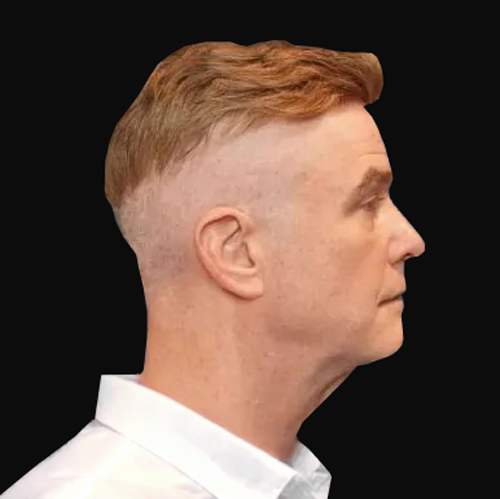
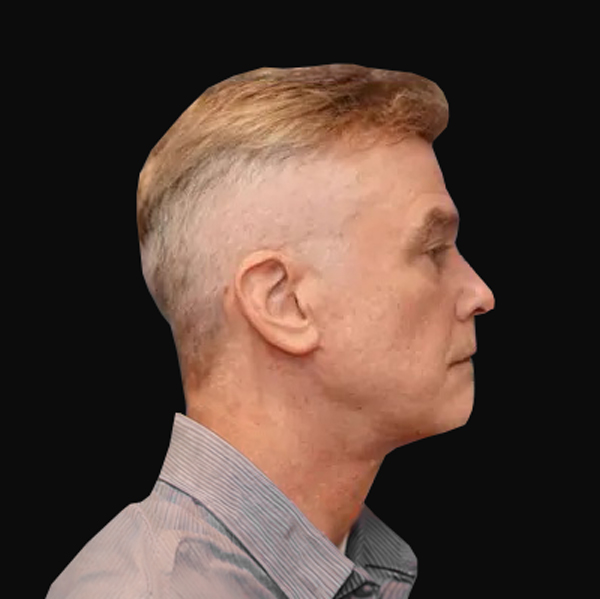
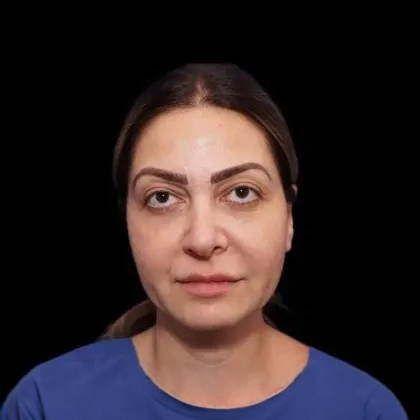

Blepharoplasty, also called an eyelid lift, is a surgical procedure that corrects droopy eyelids and excess skin. It usually involves removing extra fat, muscle, and skin from the upper eyelids to make the eyes wider.
As you get older, the skin around the upper eyelids relaxes and may droop, and the supporting muscles weaken. Also, extra fat may develop under the eyes, giving a baggy appearance.
Other than making you look years older, sagging skin around the eyes can affect your vision. An eyelid lift can eliminate these issues by removing loose skin, so the eyes appear younger and more alert.
A systematic review published in PubMed found that upper blepharoplasty consistently produces favorable functional outcomes. This includes an enlarged visual field, fewer headaches, and improved vision-related quality of life.
Contents
Why Blepharoplasty is done
You may want an eyelid lift if sagging upper eyelid skin makes you look tired or grumpy when you feel fine. Removing extra skin from the upper lids will widen the eyes and may enhance your vision.
An eyelid lift could be for you if you have:
- Drooping and sagging upper eyelids
- Extra skin on the upper lids makes it hard to see from the corners of your eyes
- Extra skin and bags on the lower lids
Some patients have other facial procedures with an eyelid lift, such as a facelift or dermal fillers.
If the eyelid lift is performed to improve your peripheral vision, your insurance may cover it. However, you will need to have this medical condition verified by your surgeon before insurance will agree to pay for the surgery. The Aesthetic Society notes that blepharoplasty addresses both cosmetic and functional indications. Patients with documented visual field impairment from dermatochalasis may qualify for insurance coverage.
Blepharoplasty procedure
Eyelid surgery can be done on the upper lids, lower lids, or both. Based on a medical evaluation, the surgeon will determine how much tissue to remove. According to the Mayo Clinic, these are the following steps::
- The surgeon will mark on the upper and lower lids where extra tissue is present.
- On the upper lid, the surgeon will make the incision in the natural fold of the upper lid.
- The surgeon will hide the incision below the lower eyelashes on the lower lid. If fat is being removed from the lower lids, the incision may be made inside the lower lid.
- The surgeon will take out skin, fat, and muscle from the incisions with a scalpel, scissors, and sometimes a laser.
- Fat may be moved on the lower lids to reduce bulging and bags under the eyes.
- The surgeon will remove less tissue if you have dry eyes.
- They may opt for using dermal fillers on the lower lids to fill in bags. While this procedure needs to be repeated every six months, it is minimally invasive and doesn’t require anesthesia.
A prospective study published in PMC/PubMed found that upper eyelid blepharoplasty produces significant improvements across multiple domains of patient-reported outcomes. Results included satisfaction with the eyes, overall facial appearance, psychological function, and social function, with minimal adverse effects that improved over time.
Blepharoplasty is one of those procedures where the right candidate sees a dramatic improvement in how they look and how they feel. What patients often don’t anticipate is how much their vision improves alongside the cosmetic changes. It’s a genuinely meaningful functional upgrade for many people.
– Dr. Lahar
While patients sometimes worry about scarring, the incisions are small, thin, and well-concealed. After a month or two of recovery, most people won’t notice you had anything done unless you tell them.
Blepharoplasty recovery
Your surgeon made small incisions in the upper or lower eyelids during the procedure. So your eyes will probably feel sore and tight for a few days, and they may also be sticky, dry, and itchy. Some patients report having blurry vision for two or three days
The doctor will give you prescription pain medication to keep you comfortable during your early recovery. Remember to keep the eyelids clean and avoid rubbing them.
The stitches usually dissolve on their own, or the surgeon may remove them after about 5 days.
After blepharoplasty surgery, the eyelids will be bruised and swollen for one to three weeks. However, most patients report that their eyes look normal and better than before after 1 to 3 months.
However, people usually feel okay going out in public and returning to work after 10 to 14 days. This depends on your job and whether you feel ok about others knowing you had surgery. After two weeks, you still could have slight bruising, but it will fade soon.
The one-to-three-week window for bruising and swelling is accurate for most patients. Individual healing varies meaningfully. In our practice, we typically schedule a two-week check-in so we can assess progress and give patients a more personalized timeline for when they’ll see their final result.
– Dr. Lahar
Self-care tips after Blepharoplasty
Fast recovery from eyelid lift surgery somewhat depends on how you care for yourself at home. Tips to speed up the recovery process are:
- Rest if you feel fatigued. Getting enough sleep gives the body the energy to heal.
- Keep your head elevated as much as possible for the first four or five days. After that, sleep with the head elevated with extra pillows.
- Ask your physician when you can drive
- Your eyes will tire more easily than normal, so limit computer use and reading for about a week.
- Don’t wear your contact lenses for two weeks.
- Don’t put on eye makeup for 14 days, so the products don’t get into the incisions.
- It’s OK to shower and wash the hair 24 hours after surgery, but keep water and shampoo out of the incisions and eyes.
- Don’t rub your eyes for at least a week.
- Don’t do anything strenuous, including bending over, for two weeks.
- Don’t swim or use a hot tub for two weeks.
- Wear sunglasses if the sun is shining for one year after an eyelid lift.
Many doctors say the best way to recover quickly from the procedure is to keep the head elevated as much as possible for several days.
Blepharoplasty is an excellent choice for patients with sagging eyelid skin or bags under the eyes. After a few weeks of recovery, you’ll start to look like yourself again and notice how much wider your eyes look.
Request an eyelid lift consultation
Thinking about an eyelid lift in Beverly Hills? Dr. Nicholas Lahar is pleased to provide plastic surgery procedures to his Beverly Hills patients. He will discuss your aesthetic goals during your consultation and help you decide if this procedure is right for you.
References
- The Aesthetic Society. Eyelid Surgery.
- Mayo Clinic. Blepharoplasty: Overview.
- Hollander MHJ, et al. Functional Outcomes of Upper Eyelid Blepharoplasty: A Systematic Review. PubMed. 2019.
- Domela Nieuwenhuis I, et al. Comprehensive Evaluation of Quality of Life Following Upper Eyelid Blepharoplasty: A Prospective Analysis. PMC/PubMed. 2024.
- Korn BS, Kikkawa DO. Upper Eyelid Blepharoplasty: Evaluation, Treatment, and Complication Minimization. PMC/PubMed. 2017.