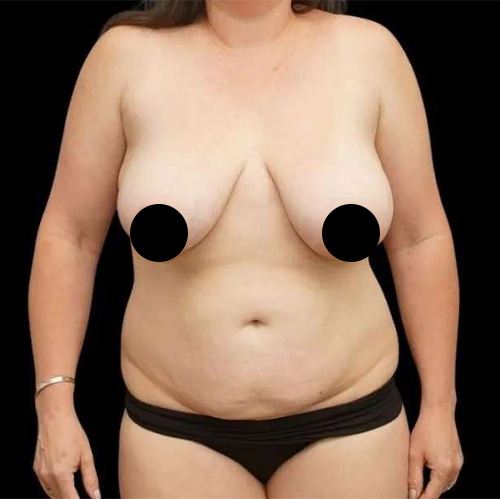
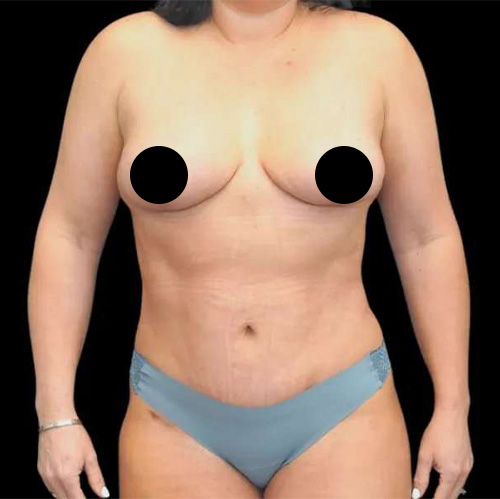
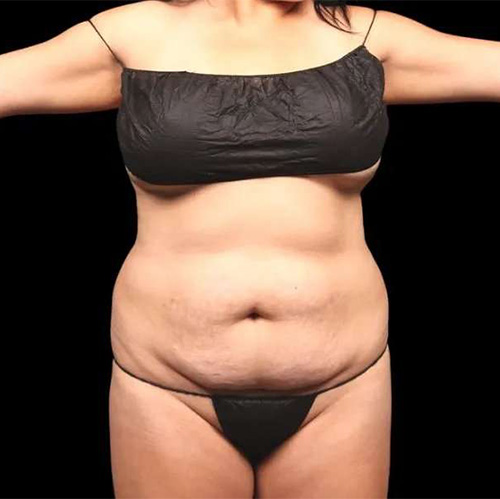
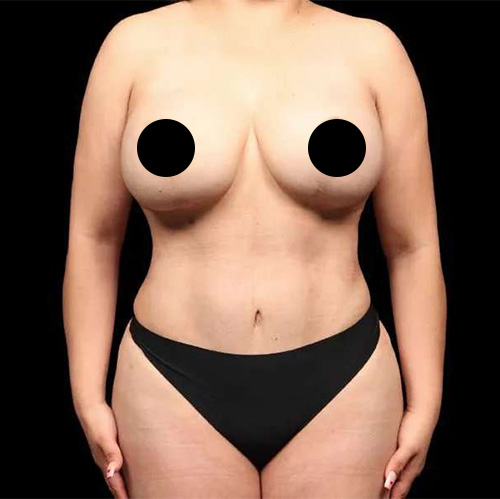
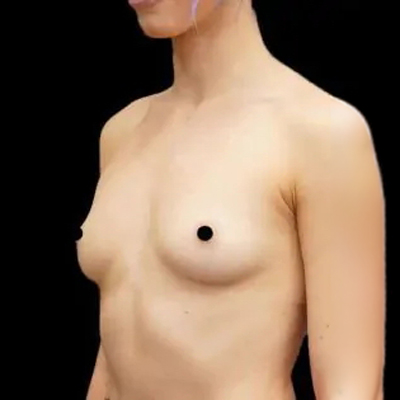
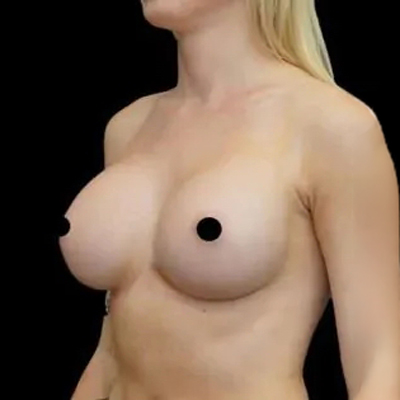

Breast augmentation is a popular procedure for women who want a larger chest and more curves. This procedure helps them to feel more confident in their appearance, and thousands of women have breast augmentation annually.
According to the American Society of Plastic Surgeons (ASPS), breast augmentation has ranked among the top cosmetic surgical procedures in the United States for decades. The vast majority of patients reported satisfaction with their outcomes.
If you are thinking about breast augmentation, you probably know that silicone or saline implants are usually used. Most women are pleased with the surgery and have no significant problems.
While the body tolerates these devices well, there are risks that we cover below.
Contents
What can breast implants do?
Many women want breast implants to improve their appearance. Breast implants can enhance the projection and fullness of the breasts and balance the proportions between the breasts and hips.
The procedure may also enhance your self-confidence and self-esteem. But keep in mind that the procedure cannot improve breast sagging. It also won’t help if you are overly critical of your body.
Your surgeon will talk to you about your needs and goals to determine if breast implants will improve your situation.
Preparing for Breast Augmentation
Your surgeon will talk to you about the different types of breast implants and their benefits and risks.
Some things you should consider before having breast implants are:
- Implants won’t prevent your breasts from sagging: As you age, your breasts will sag somewhat as the tissue relaxes and becomes looser. This issue also often happens after pregnancy and breastfeeding. If you have sagging, your surgeon may recommend a breast lift, too.
- Implants don’t last forever: While this surgery is considered permanent, breast implants usually need to be replaced within 10 or 15 years. On rare occasions, the implant can even rupture.
- Breastfeeding may be more difficult: Some women can breastfeed after breast implants, but it can be challenging, depending on the type of incision used.
- You may need more surgery: The implants may need to be replaced, and some women want them removed when they get older.
- Insurance doesn’t usually cover the procedure: Most breast augmentations are cosmetic, and insurance won’t pay. However, if you have breast reconstruction after cancer or an accident, your insurance may cover it.
Breast implant risks
After the procedure, you will need a few weeks to recover. The most common initial side effects of breast augmentation are:
- Swelling and bruising for two or three weeks
- Temporary pain, but your surgeon will provide prescription pain medication
- Tight feeling in the chest
You will need to take it easy and not engage in vigorous workouts for a month or so. Plan on taking a week off from work, too.
While most patients have no serious long-term problems, some breast implant risks are:
- Excessive scarring that does not fade after a year
- Capsular contracture, where the capsule around the implant hardens
- Noticeable folds and creases around the breast implant
- An infectionthat requires the removal of the device
- Not being able to breastfeed
- Not liking the results and needing correctivesurgery
- Nerve damage in the breasts and nipples
A clinical review published in PMC/PubMed found that capsular contracture rates in cosmetic breast augmentation range from approximately 5% to 19%.
Reconstruction patients generally experience higher rates due to additional factors such as radiation therapy. The review confirmed that chronic peri-implant inflammation and bacterial biofilm are among the primary drivers of this complication.
Your surgeon will discuss the risks and side effects with you. Remember that if you choose an experienced plastic surgeon, the chances of significant problems are minimal.
Capsular contracture is the complication patients ask most about, and rightfully so. In our practice, we follow strict sterile protocols and carefully select implant placement and type based on each patient’s anatomy. These decisions matter significantly when it comes to long-term outcomes.
– Dr. Lahar
Breast implants and rejection
Doctors say that medically, your body doesn’t ‘reject breast implants.’ Medical rejection occurs when the immune system reacts to foreign tissue. For instance, there can be a rejection after a heart or kidney transplant.
Saline and silicone breast implants are made from neutral materials that are well tolerated by the human body. While the body can have an inflammatory reaction to implants, this isn’t a rejection. The Mayo Clinic notes that breast implants are made from the same materials used in many other well-tolerated medical devices. The FDA has approved both silicone and saline implants as safe for use in breast augmentation.
Breast implants are made from the same materials as many medical devices that are well tolerated by the body.
However, when the implant is placed in the chest, your body’s natural reaction is to surround it with scar tissue to isolate it from the body. This reaction consists of a membrane called a capsule.
This action is expected and always happens; there’s nothing that can or should be done to prevent the body from forming the capsule around the implant.
The advantage of the fibrous tissue that forms around the implant is that it helps keep the implant safe and secure in the body.
However, a common problem after breast implants is if the body creates too much scar tissue around the implant. This issue, called capsular contracture, can deform the breast implant and even cause pain. The problem can happen months or years after breast surgery.
According to the ASPS, capsular contracture is one of the more commonly discussed long-term risks of breast augmentation. In moderate to severe cases, surgical intervention to remove or replace the scar tissue and implant may be recommended.
Capsular contracture doesn’t mean your body rejected the implant, though. Instead, this is how the body isolates the implant safely from the rest of the body. Most patients don’t experience capsular contracture, but it is a risk.
If you’re worried that your immune system could react to the implant and reject it, this won’t happen.
It’s vital to know if you consider breast augmentation, that modern implants are approved by the FDA and safe. This means there will never be a rejection or immune system reaction when the implants are put in the body.
Also, the silicone implant shell is well tolerated by the human body. So, you don’t have to ever worry about the rejection of implants.
If you are thinking about this procedure, you may also want to consider liposuction. Removing excess fat from the abdomen, legs, and flanks can improve the appearance of the breasts.
Request a breast implant consultation
Thinking about breast implants in Beverly Hills? Dr. Nicholas Lahar is pleased to provide plastic surgery procedures to his Beverly Hills patients. He will discuss your aesthetic goals during your consultation and help you decide if breast augmentation is right for you.