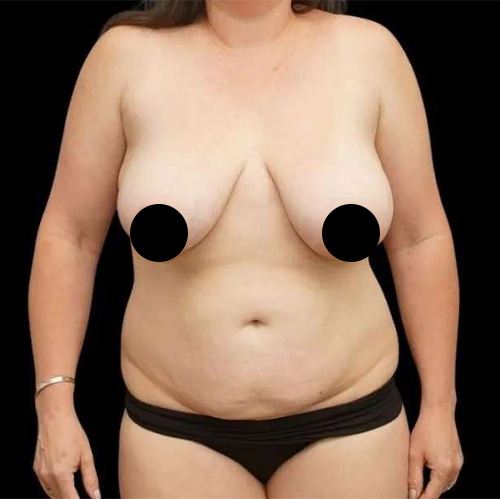
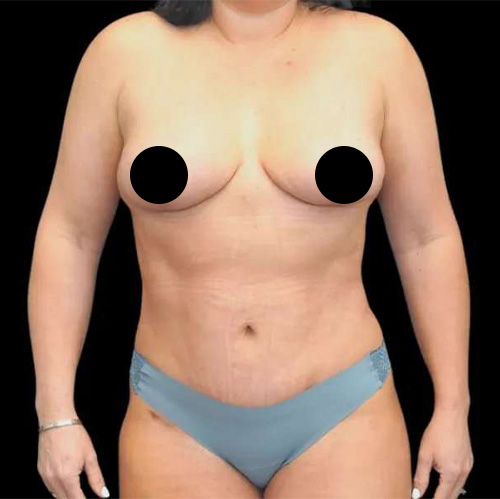
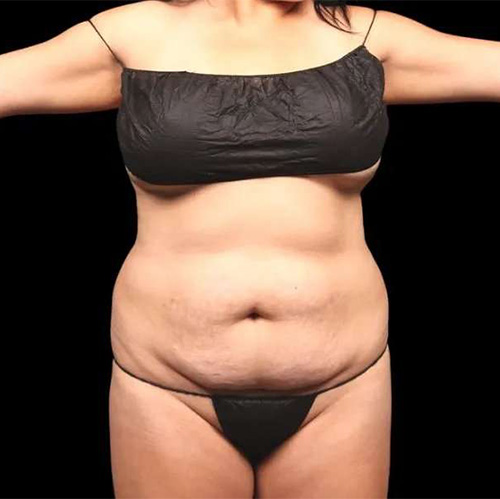
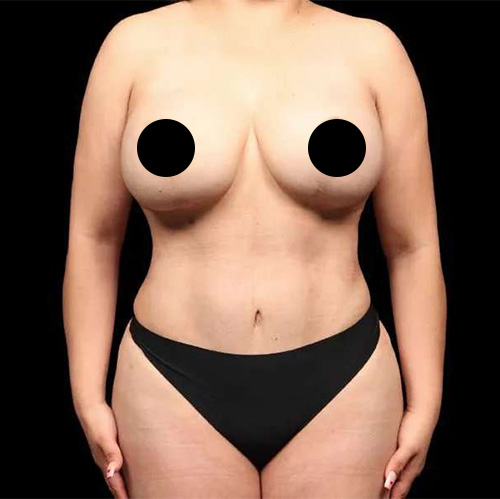
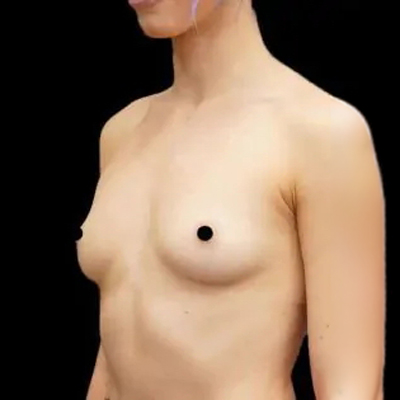
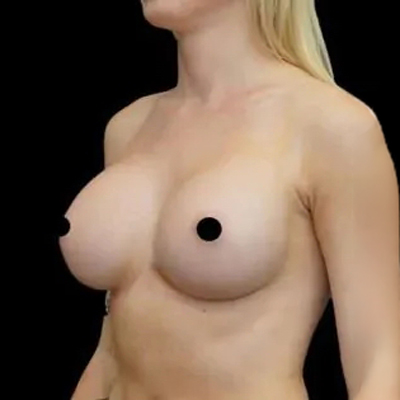

Breast augmentation is one of the most popular plastic surgeries in the country. Some women have always wanted larger breasts, while others have had children and breastfed, which changes their breasts’ appearance and shape.
Breast augmentation – sometimes coupled with a breast lift – can give a better shape and profile while raising your self-confidence and self-esteem.
Before breast augmentation, below is critical information, including essential points about capsular contracture.
Contents
Capsular contracture overview
After breast augmentation with implants, the body will make a scar capsule around each one. This is entirely normal. Most of the time, the scar capsule is soft and flexible, but it may harden and squeeze the implant in a few patients.
Capsular contracture may distort the breast and make it hard and even painful. It’s the most common complication from breast augmentation.
A literature review of capsular contracture published in PubMed found an overall incidence of 10.6% across implant-based breast procedures. It identifies smooth implants, subglandular placement, and silicone devices as the most notable risk factors.
Implant placement and surface texture are among the most important decisions we make to minimize the risk of capsular contracture. In our practice, we individualize these decisions based on each patient’s anatomy, tissue quality, and goals because those variables have a real effect on long-term outcomes.
– Dr. Lahar
Capsular contracture can happen anywhere from a few months to years after surgery. So it is possible, but unlikely, that you could develop capsular contracture after five years, or at any time.
A national register-based study published in PubMed found that the cumulative incidence of severe capsular contracture requiring surgery increased from 1.9% at one year to 4.7% after five years. It confirms that the risk is not confined to the early post-operative period and underscores the importance of long-term follow-up after breast implant surgery.
If you are concerned about possible complications with breast implants, you might consider having a minor breast size increase with fat transfer.
This procedure involves liposuction, removing fat from the abdomen, legs, or sides, and injecting it into the breasts. This option is all-natural and won’t lead to capsular contracture and most other possible breast augmentation complications.
Another good option is a breast lift that will move the breasts into a higher position on the chest. This may be right for you if the main concern is the breasts’ position rather than size.
Capsular contracture degrees
How capsular contracture is treated depends on its severity. The severity of the problem is graded as follows:
- Grade 1: The least severe type of capsular contracture has no symptoms, and the scar tissue doesn’t affect how the implant looks or feels. The breast is soft and looks natural.
- Grade 2: This type only shows minor cosmetic symptoms. The breasts may look normal in shape but feel firmer than usual.
- Grade 3: This type has obvious physical symptoms, including firmness, and looks too round and hard. Also, the nipple may be misshapen. But grade 3 doesn’t usually cause pain.
- Grade 4: The breasts are misshapen and hard,and the patient also has breast soreness. Touching them will be painful.
According to the American Society of Plastic Surgeons (ASPS), Grade 3 and Grade 4 capsular contracture are the most likely to require surgical intervention. The Baker grading system remains the primary clinical tool surgeons use to determine the appropriate course of treatment.
Your surgeon will consider treatment options depending on the severity of the contracture.
Capsular contracture options
Revision breast augmentation is the best choice for most patients to correct this issue. The procedure involves removing the defective implant and replacing it with another one. The surgeon will also remove the scar capsule.
Revision surgery is also the best choice for patients who want to change the size or type of implant.
Note: If you have it once, you are more likely to have it in the future. So, it’s important to remember that it could happen again.
A less common option is to treat it with deep sound wave therapy and massage to break up the scar tissue. If you have a mild or moderate case, this method will reduce hardness and pain and help the implant look more natural.
Some surgeons say about 80% of patients have improved implant appearance after using ultrasound treatments.
What causes capsular contracture?
Scientists have various theories about why it happens. There are probably several causes that vary by patient.
It’s important to know that capsular contracture isn’t caused by the implant being toxic or hazardous to the body. Saline implants contain only saltwater and can be absorbed by the body easily.
Silicone implants contain silicone gel and are medically inert. In most cases, the silicone will stay within the implant until the surgeon removes and replaces it.
Capsular contracture can happen with almost any type of implant in the body, but more people are aware of the issue with breast augmentation. The condition isn’t dangerous unless the implants rupture.
Rupture can cause infections, so it’s essential to remove the implant if it happens.
Scientists think one’s genetics influence whether you’ll develop capsular contracture. For example, if your family has a history of autoimmune disease or you have relatives who have thick scar tissue after injuries, you could have a higher risk.
A meta-analysis published in PMC/PubMed found that smooth implants were significantly more likely to be associated with capsular contracture than textured implants across multiple randomized controlled trials. It suggests that implant surface type is one of the most modifiable risk factors surgeons can address at the time of the original procedure.
The bacterial biofilm theory is one we take seriously in our surgical planning. We use a strict no-touch technique and antibiotic irrigation during breast augmentation to minimize the chance of bacterial contamination at the implant pocket. This is one area where surgical discipline makes a measurable difference.
– Dr. Lahar
It’s impossible to say who will develop the condition and who won’t. Fortunately, capsular contracture isn’t a health risk and can be easily treated.
Capsular contracture may happen if bacteria enter the breast cavity during surgery. For example, some people carry more staph bacteria on their skin than others. So when the skin is cut during surgery, it’s possible it could enter the breast pocket.
While your surgeon will ensure the surgery is in a sterile environment, it’s impossible to always eliminate all bacteria on the skin surface.
Capsular contracture is a rare side effect of breast augmentation. Most patients are thrilled with their results and don’t have any significant issues. Remember, if you do have it, it’s treatable.
Request a Breast Augmentation consultation
Thinking about breast augmentation in Beverly Hills? Dr. Nicholas Lahar is pleased to provide plastic surgery procedures to his Beverly Hills patients. He will discuss your aesthetic goals during your consultation and help you decide if you are a good candidate for breast augmentation.
References
- American Society of Plastic Surgeons (ASPS). What Is Capsular Contracture and How Can It Be Treated?
- Headon H, et al. Capsular Contracture after Breast Augmentation: An Update for Clinical Practice. PubMed. 2015.
- Velin L, et al. Capsular Contractures Following Implant-Based Breast Reconstruction: National Register-Based Study. PubMed. 2025.
- Liu X, et al. Comparison of the Postoperative Incidence Rate of Capsular Contracture Among Different Breast Implants: A Cumulative Meta-Analysis. PMC/PubMed. 2015.