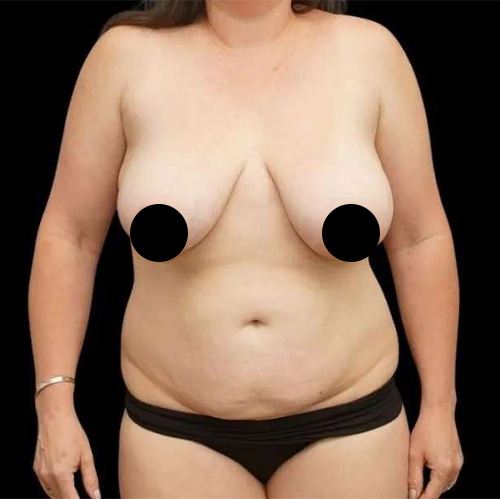
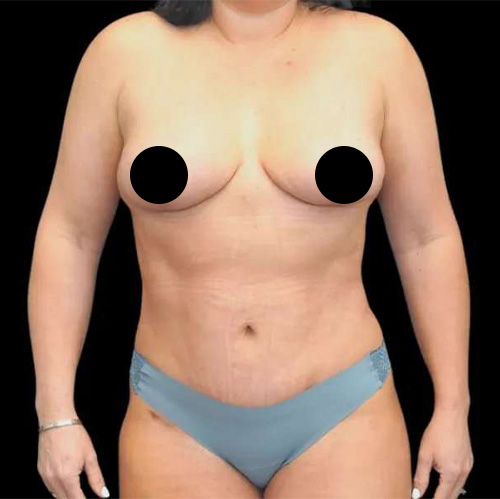
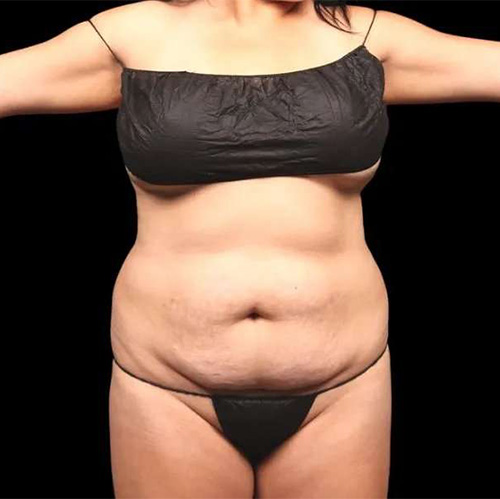
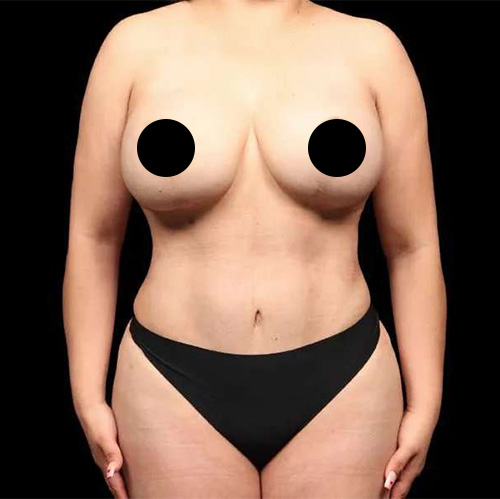

Losing a significant amount of weight can change your life. Whether you do it through diet and exercise alone or with bariatric surgery, it makes you look and feel better, and your health improves.
You can participate in activities that you haven’t done in years, from exercising to buying attractive clothes to simply going for a walk.
Most changes after significant weight loss are for the better, but what if you have loose skin on your abdomen, legs, and other body parts?
Not everyone has loose skin after they lose a lot of weight. But if you lose 100 pounds or more, you could have loose skin on some parts of the body.
A clinical review of body contouring surgery after massive weight loss published in PubMed found that the majority of patients who lose significant weight are left with loose, ptotic skin envelopes. They have irregular contours that cannot be corrected with diet and exercise alone, making body contouring surgery the only viable option for many.
If that describes you, it’s essential to think about a good time to consider plastic surgery.
Contents
Loose skin after weight loss
How your body looks after losing weight depends on how much your skin can contract after the weight is gone; this is known as elasticity.
The more elasticity your skin has, the better it can mold to your slimmer shape. Usually, skin in parts of the body that stretch the most when gaining weight is less elastic. Elasticity also declines as you get older, and sun damage can take a toll. Plus, skin elasticity is affected by genetic factors, too.
Another factor in loose skin is how much weight you drop in various body areas. For example, if you had most of your weight gain in your abdomen and that’s where you lost most of your weight, the skin there has to contract the most.
Loose skin symptoms
Most parts of your body can have loose skin after significant weight loss, but the belly is the most common problem area. Many people have a fold of fat and skin around the belly button called a pannus.
Having loose skin in this area can keep you from wearing the clothes you want and cause rashes, and the symptoms may worsen when it’s hot outside. In addition, people with heavy pannus may have difficulty exercising and can have lower back issues.
The abdomen is the most common trouble spot, but people can also have skin folds beneath the breasts and on the back and thighs. Extra skin on the upper arms can also be a nuisance for patients, and many younger women, in particular, find it embarrassing.
A prospective study on body contouring after massive weight loss published in PubMed found significant improvements in quality of life, physical activity, and psychosocial wellbeing following body contouring procedures. The study confirmed that body contouring surgery provides meaningful functional and emotional benefits beyond purely cosmetic improvements.
When should you consider plastic surgery?
You may want to think about plastic surgery to address loose and hanging skin. But surgeons recommend waiting until you are as close as possible to your goal weight, and your weight should be stable.
For most patients, this is about one year to 18 months after bariatric surgery or gastric banding. Some plastic surgeons want their patients to be at a stable weight for at least three months before weight loss surgery. There are several reasons for this:
- Your body may have lost critical nutrients during weight loss and may not heal well after surgery.
- Surgical complication risks drop as your BMI drops.
- Cosmetic results from weight loss surgery usually look better as you lose weight.
UT Southwestern Medical Center advises that patients pursuing body contouring after massive weight loss should ideally have a BMI below 30 before undergoing elective procedures. Higher BMI at the time of surgery is associated with increased complication rates and less satisfying aesthetic outcomes.
Timing is one of the most important conversations we have with weight loss surgery patients. In our practice, we want to see a stable weight for at least 3 months, a strong nutritional status, and a BMI that provides a safe surgical environment. Patients who hit those benchmarks have significantly better outcomes.
– Dr. Lahar
Your plastic surgeon probably can recommend safer plastic surgery options if you are near your goal weight than if you still have a high BMI. But what if you hit a plateau and can’t lose weight?
This happens to many patients, but it’s still best for your long-term results to get over that ‘hump’ and lose more weight before you have surgery. Your plastic surgeon may refer you to your weight loss team to help you lose more weight.
Other factors that influence weight loss surgery
Being near your goal weight is a critical factor for successful Beverly Hills weight loss surgery. But you also need to eat a healthy diet to maintain your weight, and so you can heal after surgery. Be sure you eat plenty of protein, which is essential to healing. And take any nutritional supplements your plastic surgeon recommends.
The Aesthetic Society advises that patients preparing for post-weight-loss body contouring should optimize their nutritional status before surgery. Pay particular attention to protein intake, iron, vitamin B12, and vitamin D levels, which are commonly deficient after bariatric surgery and can impair wound healing.
It’s also critical to exercise regularly to tone your muscles, and you’ll have superior results from weight loss surgery. If you are a smoker, you need to stop before surgery to speed the healing process.
Next, you need to look at your life, in general, to decide if now is the right time for surgery. For example, can you take several weeks off work or work from home entirely as you recover?
Can you get someone to help you around the home for at least two weeks? Having support from friends and family after weight loss surgery is essential.
Keys to successful weight loss surgery
The most critical aspect of successful weight loss surgery is knowing what your goals and expectations are. You will need to tell your surgeon the body areas that bother you the most. And do you want to go through the pain and expense of plastic surgery to correct them?
Also, how much better does your body need to look and feel for you to feel satisfied with the surgical results? Remember, your body won’t be ‘perfect’ after surgery, and it’s critical to have realistic expectations.
A meta-analysis of body contouring surgery complications after massive weight loss published in PubMed found that complication rates are higher in post-bariatric patients compared to those who lost weight through diet and exercise alone. It underscores the importance of careful patient selection, surgical staging, and thorough preoperative evaluation.
The more you think about your priorities, the more likely your plastic surgeon can help you.
Types of Surgical Procedures During Weight Loss Surgery
There are many procedures you can have during this procedure to eliminate loose skin:
- Beverly Hills tummy tuck: This is the most popular procedure after significant weight loss. The procedure removes loose skin and fat from the abdomen and below the belly button. Then, the surgeon removes extra skin and tightens the remaining tissue to give you a flat belly.
- Beverly Hills liposuction: While removing skin from the abdomen and other areas, your surgeon may remove stubborn fat with a cannula.
- Thigh and buttock lift: If you have loose skin in these areas, your surgeon can remove it and tighten the remaining skin.
- Arm lift: This procedure removes extra skin from the upper arms, but you will have noticeable scars.
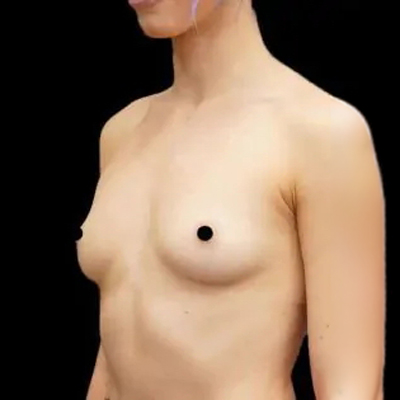
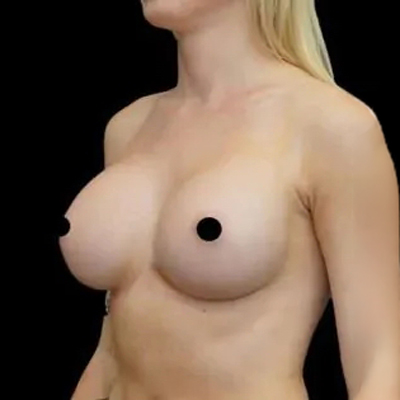
- Beverly Hills breast lift: Loose skin and sagging breasts are common after weight loss. But this procedure can lift the breasts to a more youthful position.
Request a plastic surgery consultation
Thinking about plastic surgery after weight loss in Beverly Hills? Dr. Nicholas Lahar is pleased to provide cosmetic procedures to his Beverly Hills patients. He will discuss your aesthetic goals during your consultation and help you decide if having plastic surgery is for you.
References
- The Aesthetic Society. Plastic Surgery After Weight Loss.
- UT Southwestern Medical Center. Plastic Surgery After Massive Weight Loss.
- The Bariatric Patient Guide.
- Shermak MA, et al. An Outcomes Analysis of Patients Undergoing Body Contouring Surgery After Massive Weight Loss. PubMed. 2006.
- Pham TA. Body Contouring Surgery in a Massive Weight Loss Patient: An Overview. PubMed. 2010.
- Staalesen T, et al. Outcome in Body-Contouring Surgery After Massive Weight Loss: A Prospective Matched Single-Blind Study. PubMed. 2015.
- Dunst KM, et al. Complications Following Body Contouring Surgery After Massive Weight Loss: A Meta-Analysis. PubMed. 2014.