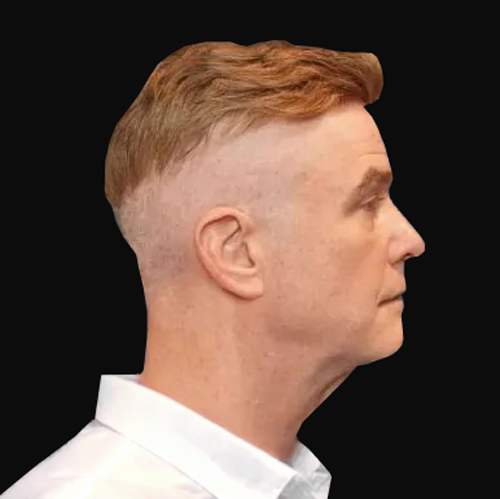
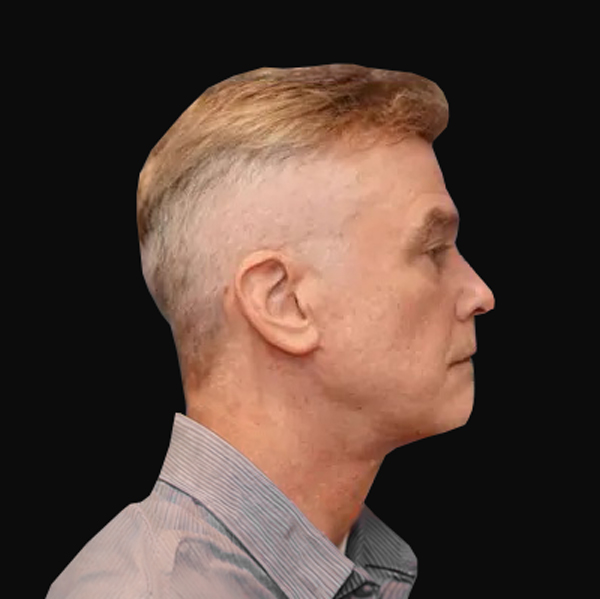
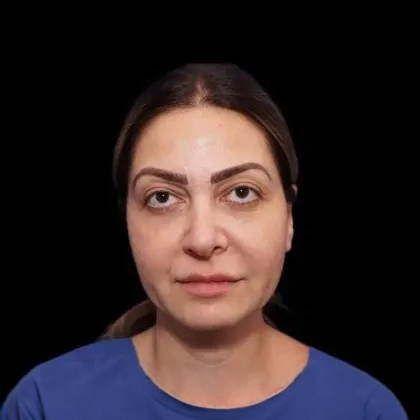

As we age, the skin loses collagen and elastin, and it also loses fat, which can make our faces look older than they are. The result may be loose, sagging skin. What can you do?
Facelifts are among the top 5 surgical and non-surgical cosmetic procedures in the United States. Most patients opt for a facelift in their 40s, but many get it earlier or later, depending on how much loose skin and volume loss they have.
A prospective multicenter study published in PubMed used the FACE-Q questionnaire to evaluate facelift outcomes. The study found statistically significant improvements across all appearance and quality-of-life measures, with those improvements still present at both 6 and 12 months after surgery.
For best results, you can combine a Beverly Hills facelift with another procedure such as an eyebrow lift or Beverly Hills blepharoplasty (i.e., surgical removal of excess eyelid tissue).
From our expert at Lahar Plastic Surgery, Dr. Nicholas Lahar, here’s everything you need to know about getting a facelift.
Contents
Facelifts vs. Injectables for anti-aging
A facelift is the best choice to permanently reduce sagging and loose skin in the mid and lower face. If a facelift is done well, it can take up to 10 years off your face.
However, not everyone wants to undergo this procedure. A temporary option is to have a liquid facelift.
During this noninvasive procedure, you receive Beverly Hills dermal filler injections that increase fullness in the face. Also, your doctor may inject Botox, which freezes the tiny muscles that make our facial expressions.
When those muscles are frozen, it smooths out lines and wrinkles and makes you look younger.
Some of the areas where dermal fillers and Botox can help include:
- Temples
- Brow
- Under the lower eyelids
- Hollow cheeks
- Lines between the nose and mouth
- Creases near the mouth that causejowls
The American Society of Plastic Surgeons (ASPS) notes that starting injectables at a younger age may delay some signs of aging. A surgical facelift remains the gold standard for patients seeking longer-lasting improvement in facial skin laxity and volume loss.
Injectables like Botox and dermal fillers can erase signs of aging, but the results are temporary and can come with some unpleasant long-term side effects.
For example, although Botox paralyzes the muscles responsible for movement and thus reduces the risk of developing wrinkles, long-term paralysis of the facial muscle also causes muscle atrophy and volume loss, which can make you look older.
Facelifts are more invasive, but they don’t come with the long-term side effects of injectables. A facelift also lasts much longer than a liquid facelift.
Also, you will need to have dermal fillers and Botox injections every three to six months to maintain your results.
Some of the most popular dermal fillers contain:
- Hyaluronic acid: This substance increases volume in the cheeks. The effects can last up to six or eight months. The effects can be reversed if you aren’t pleased with your new look.
- Calcium hydroxyapatite: This filler isn’t reversible, but it can last up to 18 months by adding volume in the mid and lower face.
- Poly-L-lactic acid: This filler boosts collagen production and can last up to two years. You will probably need three or four sessions for maximum benefit.
- Fat injection: Your surgeon can inject your fat from another part of the body using Beverly Hills liposuctioninto the face to reduce lines and wrinkles and increase volume.
Injectables and facelifts are complementary. In our practice, we often use fillers to maintain facelift results over time or to address areas the facelift doesn’t reach. The right combination depends entirely on the patient’s anatomy and goals.
– Dr. Lahar
Recovery and results after a Facelift
In the first few days after surgery, you may experience swelling and bruising. You may also be advised to rest and wear drains to eliminate potential fluid build-up in your face.
The ASPS explains that facelift recovery proceeds in predictable stages, with most swelling and bruising resolving within the first two weeks. Patients are generally comfortable going out in public by day 14. The final result continues to improve for up to two to three months as residual swelling clears.
Within a week, the swelling should go down. However, you may still see some bruising on your face. During this time, you’re advised to limit your activities and eat soft foods.
After a month, you should be able to go back to your everyday routine. That said, only two to three months after the facelift will you see the final results of the procedure. If you’ve had fat grafting done to your face, recovery may last longer.
A systematic review of rhytidectomy techniques and patient outcomes published in PMC/PubMed found that modern facelift approaches demonstrate significant improvements in facial aesthetics and patient quality of life. The deep-plane technique shows particularly durable results in neck contouring and mid-face rejuvenation.
The final results also depend on the plastic surgeon’s skill. To get an idea of the results you can expect after a facelift, look at our Beverly Hills before and after gallery.
How to speed up the healing process
A facelift is a serious operation, and your body will need time to rest and heal. So what can you do to ensure you have the fastest recovery?
Here are some essential tips that will get you back to normal quickly:
Don’t be a couch potato
You don’t want to engage in vigorous physical activity for several weeks after your facelift. But that doesn’t mean you should sit around or sleep all day.
After you take it easy for a day or two, try to go for a walk around the block every day. These gentle movements increase your circulation and will help you heal faster.
It also does some good for your mind and spirit to get out of the house and get moving. Being in a positive frame of mind will also help your healing process.
Eat a healthy diet
Your body is healing, so you need to give it plenty of nutrients. Eat fresh fruit, vegetables, lean protein, and complex carbohydrates. If you do that, your body will be able to heal quickly.
Drink a lot of water
Water helps to flush away toxins, and that’s an essential part of the healing process. So, drink at least eight glasses of water per day.
Get rest
You do want to engage in light activities but get plenty of rest, too. When we sleep, the body does most of its necessary healing and repairing.
You should lie down with your head elevated when you can to reduce swelling.
Take medications
Your plastic surgeon will probably give you prescription pain medication and antibiotics for the first one or two weeks of your recovery. You may decide that you don’t need strong pain medication after a few days; if so, you can take Tylenol but avoid medications that encourage bleeding, such as aspirin.
Also, remember that you shouldn’t drive as long as you are taking a prescription pain drug.
Care for your incisions
Your surgeon and staff will tell you how to care for your face and incisions after the facelift. It’s essential to follow these directions and keep the incisions clean to minimize scarring.
Also, cleaning the incisions carefully every day with soap and water minimizes the chances of an infection.
Don’t drink
You shouldn’t drink alcohol for a few weeks after your procedure because it can lead to swelling. This is because your face will already have significant swelling for about two weeks.
Avoid the sun
You should avoid the sun as much as you can for the first month after surgery. This is because the sun can discolor your incisions and make them more noticeable after you heal.
Johns Hopkins Medicine advises that protecting healing skin from UV exposure is an important aspect of post-procedure care. Sun exposure can prolong redness at incision sites and affect the final appearance of scars.
Don’t look in the mirror too much
You will enjoy impressive and dramatic results from your facelift. But it takes time for the swelling and bruising to go away. So, please don’t be too concerned about what you see in the mirror for the first month or so.
You could still have some swelling after two or three months, but be patient. After all the swelling fades, you will be amazed at how much younger you look!
Don’t smoke
You should not smoke for at least a month before and after your facelift. Nicotine and tobacco use reduce circulation and slow the healing process – exactly what you don’t want after this procedure.
If you are having difficulty with not smoking, talk to your doctor about how they can help.
Be patient
Your body will take several months to heal after a facelift. You may notice a lot of swelling, and one side of the face may be more swollen than the other. There also tends to be bruising around the eyes at first.
All of this is normal. After about two weeks, you should be able to go out in public without anyone noticing anything.
When should you get help?
Mild pain, moderate swelling, and bruising are normal after a facelift. But if you notice excessive pain or anything else unusual, call your surgeon right away.
Your healthcare team can tell you if what you’re experiencing is normal or not.
It’s also essential to attend all of your follow-up appointments to ensure your recovery is going well.
Learn more about facelifts
If you’re interested in learning more about how a facelift can help rejuvenate your skin, contact us to schedule an appointment. Dr. Lahar will be more than happy to answer all of your questions and help you determine what procedure works best for your aesthetic goals.
References
- American Society of Plastic Surgeons (ASPS). If You Start Injectables Young, Can You Prevent Aging?
- American Society of Plastic Surgeons (ASPS). Your Facelift Recovery Explained From Day 1 to Day 30.
- Johns Hopkins Medicine. Is a Liquid Face Lift Right for You?
- Tonnard P, et al. Assessing Improvement of Patient Satisfaction Following Facelift Surgery Using the FACE-Q Scales: A Prospective and Multicenter Study. PubMed. 2019.
- Meretsky CR, et al. A Systematic Review and Comparative Analysis of Reconstructive Rhytidectomy: Advantages, Disadvantages, and Patient Outcomes. PMC/PubMed. 2024.